Featured
How How APFSC Differ in the Industry can Save You Time, S...
A Biased View of Sector Trends for Debt Forgiveness and C...

The Real Expense of Ignoring Financial Obligation: Exactly How Professional Counseling Solutions Are Changing Financial Healing
Table of Contents
- – The Expanding Need for Financial Debt Forgiven...
- – Personal bankruptcy Therapy: The Misunderstood...
- – Contrasting Your Financial Obligation Relief O...
- – What Establishes Nonprofit Counseling Apart
- – Indication of Aggressive Debt Alleviation Solu...
- – Taking the Very First Step Towards Healing
- – The Course Forward
Economic stress and anxiety has actually come to be a defining characteristic of modern American life. With total bank card financial obligation exceeding $1.21 trillion and the typical cardholder owing greater than $6,500, numerous people discover themselves caught in cycles of minimal payments and intensifying interest. When charge card passion rates hover around 23%, also modest balances can swell into frustrating worries within months.
For those drowning in the red, the inquiry isn't whether to seek aid-- it's locating the best type of help that will not make matters worse.
The Expanding Need for Financial Debt Forgiveness Solutions
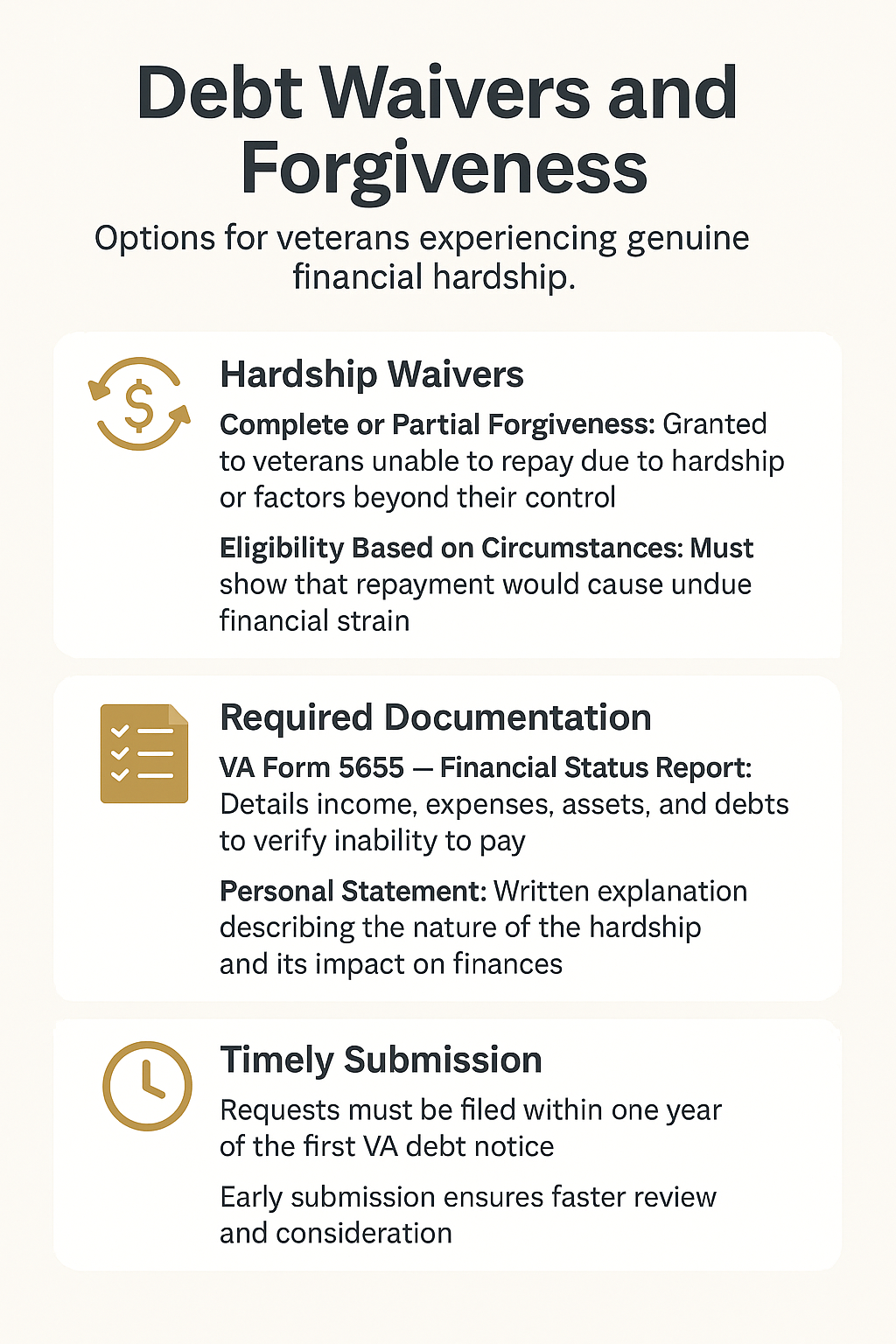
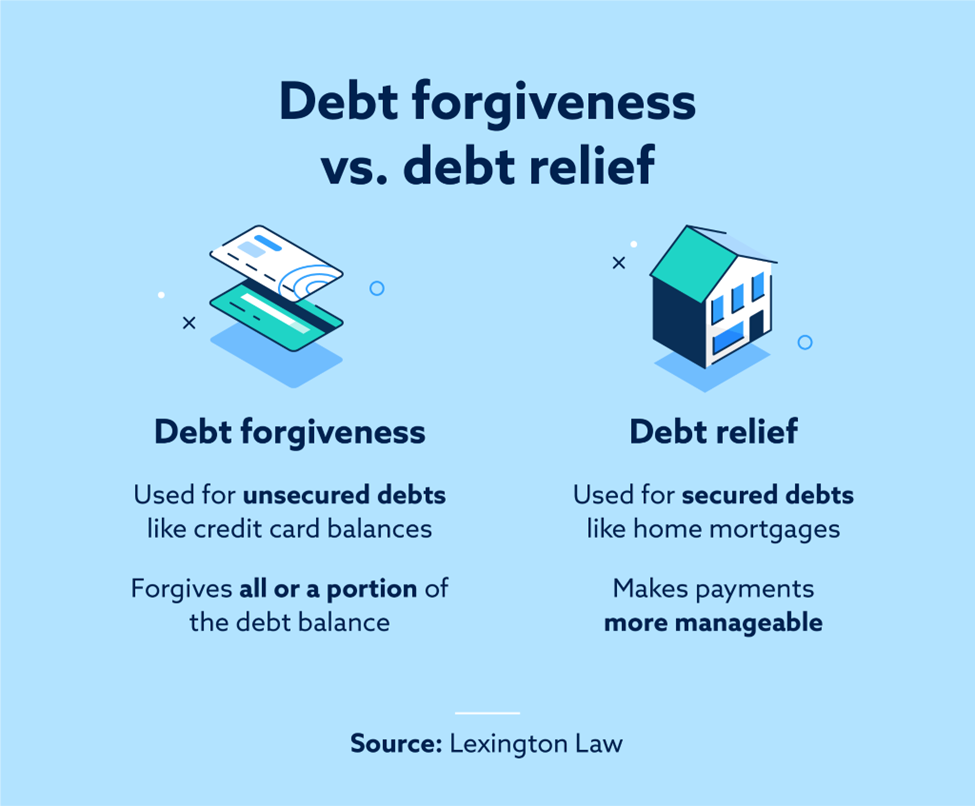
Financial obligation mercy has emerged as one of the most browsed economic subjects online, and permanently factor. The concept of settling debts for much less than the sum total owed deals real intend to individuals who see no realistic path to paying their equilibriums in full.
The process normally works similar to this: when charge card accounts go unpaid for 120 days or more, lenders usually bill off the financial obligation. At this phase, they might approve reduced negotiations to recuperate at least a portion of what's owed. Effective arrangements can lower equilibriums by 30% to 50%, depending upon the creditor and your demonstrated economic difficulty.
However, financial debt mercy isn't complimentary money. Settled accounts show up on credit rating records as "" paid less than full balance,"" which influences your score. Additionally, forgiven amounts exceeding $600 may be reported to the internal revenue service as taxable revenue. Understanding these compromises prior to seeking negotiation is vital.
Personal bankruptcy Therapy: The Misunderstood Safety Internet
Personal bankruptcy brings considerable stigma, yet it continues to be a legitimate lawful device developed to provide overwhelmed people a real fresh beginning. What lots of people do not become aware is that federal law requires 2 counseling sessions prior to and after declaring-- and these sessions exist specifically to guarantee you're making a notified decision.
Pre-bankruptcy credit rating counseling involves a detailed review of your revenue, financial debts, and expenditures. Certified counselors present alternatives you may not have thought about, consisting of financial debt administration programs or difficulty settlements. This isn't concerning discouraging insolvency; it's regarding verifying it's really your ideal option.
Post-bankruptcy debtor education prepares you for financial success after discharge. You'll learn budgeting strategies, saving strategies, and credit score rebuilding approaches created to avoid future economic troubles.
Organisations like APFSC offer both called for programs, with costs around $19.99 per session unless you get challenge waivers. Their licensed therapists offer same-day certifications, and sessions typically run 60 to 90 mins. This ease of access issues when you're already worried about finances.
Contrasting Your Financial Obligation Relief Options
Recognizing the landscape of debt alleviation assists you make educated choices. Each approach carries distinctive benefits and drawbacks.
Debt Administration Programs combine numerous unprotected debts right into solitary month-to-month settlements. Counselors negotiate with financial institutions to possibly lower rates of interest without calling for new car loans. A lot of clients total these programs within three to 5 years. The key advantage is paying financial debts completely while lowering total interest paid.
Financial obligation Settlement negotiates decreased payback quantities, usually 30% to 50% less than owed. This approach needs stopping repayments to creditors while collecting negotiation funds, which harms credit report throughout the procedure. Outcomes differ based upon creditor readiness and your shown challenge.
Insolvency gives court defense while removing or reorganizing financial obligations. Chapter 7 liquidates certain possessions to discharge unsecured financial debts quickly. Chapter 13 develops three-to-five-year repayment plans for those with regular income. Personal bankruptcy stays on credit history records for 7 to 10 years however provides one of the most detailed new beginning.
Credit score Therapy provides education and assistance without necessarily enrolling in formal programs. Certified therapists examine your total financial image and suggest appropriate next actions, which could consist of any one of the above options.
What Establishes Nonprofit Counseling Apart
The distinction in between not-for-profit and for-profit financial obligation relief firms matters enormously. Nonprofit agencies like those licensed by the National Foundation for Debt Counseling (NFCC) operate under stringent honest guidelines and cost guidelines. Their therapists undergo rigorous accreditation and must recertify every two years.
For-profit financial debt settlement business, on the other hand, may charge costs ranging from 15% to 25% of enrolled financial obligation balances. Some employ hostile sales tactics and make unrealistic pledges about results. The Customer Financial Defense Bureau has recorded countless grievances concerning predative practices in this market.
APFSC runs as a not-for-profit therapy company, using free debt administration appointments and regulated costs for continuous services. Their HUD-approved housing counselors add value for those dealing with repossession alongside general financial obligation problems. Services are readily available in English, Spanish, and Portuguese, increasing ease of access to underserved communities.
Study sustains the efficiency of not-for-profit counseling. A study commissioned by the NFCC found that credit history counseling clients lowered rotating debt by $3,600 even more than contrast groups throughout the 18 months following their sessions. Virtually 70% of individuals reported better cash administration and greater financial confidence.
Indication of Aggressive Debt Alleviation Solutions
Not all financial debt relief companies have your benefits at heart. Acknowledging red flags shields you from making a hard scenario worse.
Beware of companies that ensure details outcomes. No legitimate solution can assure exact negotiation percents or timeline guarantees because results depend on specific creditors and conditions.
Avoid any kind of company demanding huge in advance charges prior to providing solutions. Legitimate not-for-profit counseling provides cost-free first examinations, and for-profit settlement companies are legally forbidden from gathering fees till they effectively clear up at the very least one financial debt.
Concern anybody encouraging you to stop interacting with creditors totally without clarifying the consequences. While tactical interaction stops occasionally sustain arrangements, complete evasion can result in suits, wage garnishment, and additional damages.
Reputable companies discuss all options honestly, including choices that might not entail their paid services. If a firm pushes just one remedy no matter of your scenario, look for assistance somewhere else.
Taking the Very First Step Towards Healing
Financial recovery starts with straightforward analysis. Collect your most recent declarations for all financial debts, compute your total commitments, and review your reasonable monthly payment capability. This details forms the structure for any productive therapy session.
Consider scheduling free assessments with numerous nonprofit companies prior to devoting to any type of program. Contrast their suggestions, cost structures, and interaction designs. The best therapy connection ought to really feel supportive instead of pressuring.
Organisations like APFSC supply on the internet conversation, phone assessments, and comprehensive intake procedures developed to understand your special circumstance prior to recommending options. Their debt management calculator assists you imagine possible timelines and financial savings prior to signing up.
The Course Forward
Frustrating financial obligation doesn't define your future-- however disregarding it will. Whether financial debt mercy, personal bankruptcy therapy, or organized financial obligation administration makes good sense for your situation depends upon elements one-of-a-kind to your circumstances.
Professional support from certified nonprofit counselors illuminates alternatives you might never ever find separately. These solutions exist particularly to assist individuals like you navigate complex financial obstacles without predative fees or unrealistic pledges.
The ordinary American battling with financial debt waits far as well long prior to seeking aid, permitting rate of interest to compound and choices to slim. Monthly of delay costs money and expands your recovery timeline.
Avoid Spending Money You Don’t Have This Holiday Season : APFSCYour initial conversation with a certified counselor prices nothing yet might transform whatever. Financial freedom isn't reserved for the lucky-- it's offered to anyone happy to take that first action towards comprehending their choices and dedicating to a practical plan.

Table of Contents
- – The Expanding Need for Financial Debt Forgiven...
- – Personal bankruptcy Therapy: The Misunderstood...
- – Contrasting Your Financial Obligation Relief O...
- – What Establishes Nonprofit Counseling Apart
- – Indication of Aggressive Debt Alleviation Solu...
- – Taking the Very First Step Towards Healing
- – The Course Forward
Latest Posts
How How APFSC Differ in the Industry can Save You Time, Stress, and Money.

Indicators on Value vs DIY Options You Should Know

A Biased View of Sector Trends for Debt Forgiveness and Consumer Options
More
Latest Posts
How How APFSC Differ in the Industry can Save You Time, Stress, and Money.
Indicators on Value vs DIY Options You Should Know
A Biased View of Sector Trends for Debt Forgiveness and Consumer Options